
How an online archive makes Himalayan history more accessible—and where its digital experience could improve.
October 20, 2026
Digital Media Review
Digital Humanities, Archives,Cultural History
Introduction
Technology has changed the way we learn about history and explore cultures from around the world. Instead of relying only on museums, libraries, or physical documents, people can now access historical materials through digital archives. One project that caught my attention is Digital Himalaya, an online archive dedicated to preserving and sharing cultural and historical materials from the Himalayan region.
“Digital Himalaya combines historical documents, films, maps, and data to make the cultural history of the Himalayan region more accessible to people around the world.”
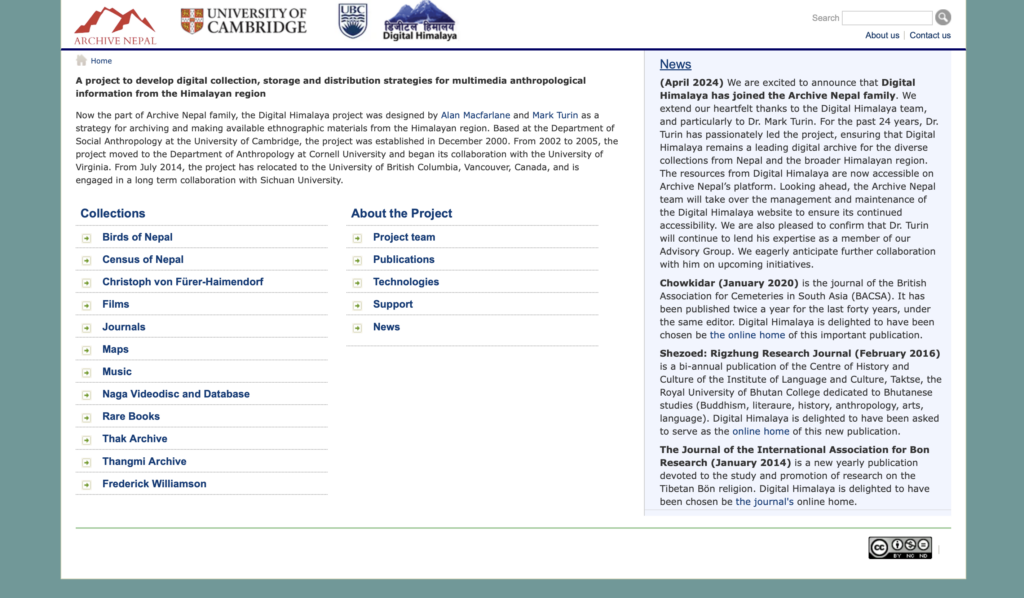
Digital Himalaya was established in December 2000 and has worked with academic institutions, including the University of Cambridge and the University of British Columbia. In April 2024, the project became part of Archive Nepal. Its collections include historical films, photographs, maps, journals, census records, and other resources that help people explore the region’s cultural history.What makes Digital Himalaya interesting is its use of different types of digital media to preserve information that might otherwise be difficult to access. However, while the project offers valuable historical resources, I noticed that some parts of its website could be improved in terms of design, navigation, and accessibility. This review examines how effectively Digital Himalaya uses digital technology to communicate its content and create a meaningful experience for visitors.
A Digital Archive with a Meaningful Purpose
One of Digital Himalaya’s greatest strengths is the variety of information it makes available. The website does not focus on just one subject. Instead, it includes materials related to anthropology, geography, literature, music, history, and everyday life in Himalayan communities. While exploring the website, I visited several collections, including Birds of Nepal, Nepal Census 2001, the Fürer-Haimendorf Collection, Films, Journals of Himalayan Studies, and Maps. Each section presents a different way of learning about the region.
For example, the Birds of Nepal collection provides access to historical research reports that were digitized for public use. This is valuable because some of these documents might otherwise be difficult to find outside academic institutions. Similarly, the Journals of Himalayan Studies section provides links to numerous publications, giving researchers and students access to materials on different subjects.
I think the project’s greatest contribution is making historical resources available beyond their original physical locations. People who cannot travel to a library or museum can still explore these materials online. This supports the idea that digital media can expand access to education and cultural knowledge.
However, the collection descriptions sometimes assume that visitors already understand the historical or academic context. Adding short introductions explaining why particular materials matter would make the archive more welcoming to people who are unfamiliar with Himalayan studies.
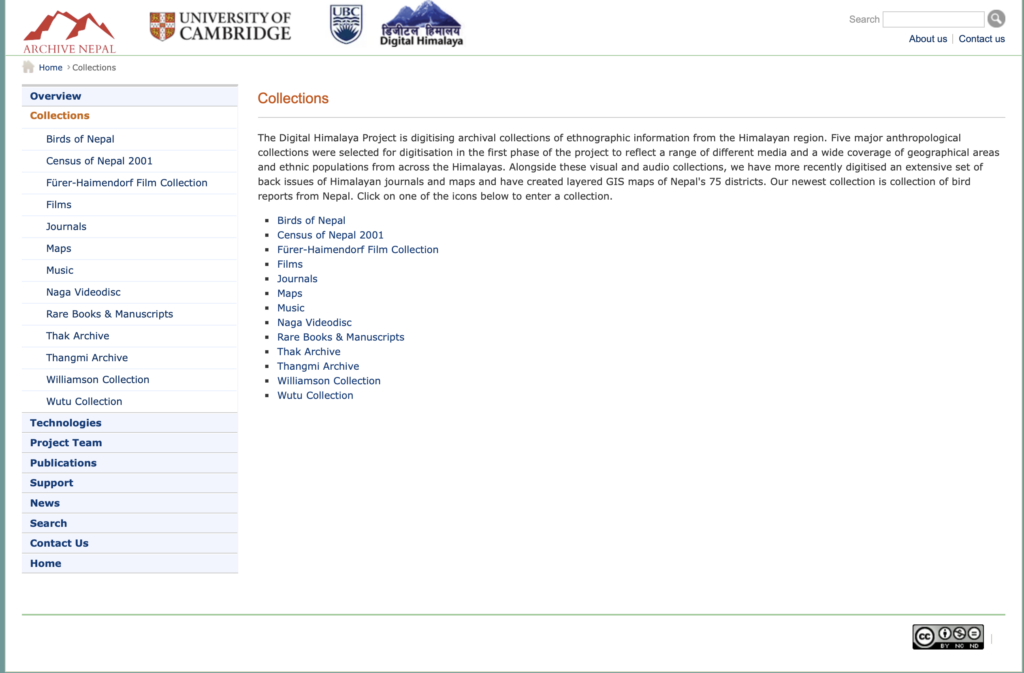
When I first opened Digital Himalaya, I noticed its simple and traditional website design. The pages use a white background, blue navigation links, orange headings, and a teal-colored outer background. The logos of the project’s associated organizations appear at the top, giving the website a sense of academic credibility.
KEY Observation
The archive is easy to navigate, but its visual design could be more modern and engaging.
One feature I appreciated was the consistent navigation menu on the left side. It includes links to the collections, project team, publications, technologies, and other important information. Because the menu remains in the same location across the pages I visited, I could easily move between sections without returning to the homepage.
The website also uses breadcrumb navigation, showing visitors where they are within the archive. This is a helpful user experience feature because it reduces confusion when exploring multiple collections.
However, the overall design feels somewhat outdated. Some pages contain small text, long paragraphs, and large areas of empty white space. For example, the Birds of Nepal page mainly presents an introductory paragraph followed by a single image that visitors must click to continue.
Although this layout is functional, it could be more visually engaging. Larger headings, clearer buttons, and more consistent spacing would help visitors identify important information more quickly.
From a user interface perspective, Digital Himalaya prioritizes access to information over visual presentation. While this is understandable for an academic archive, improving the visual hierarchy could make the website easier to explore without taking attention away from its historical content.
Digital Media and Visual Storytelling
One of the most interesting aspects of Digital Himalaya is how it combines different media formats. Rather than presenting history only through written descriptions, the website includes films, photographs, maps, and scanned publications.
Historical Films: A Window into the Past
Fürer-Haimendorf Collection
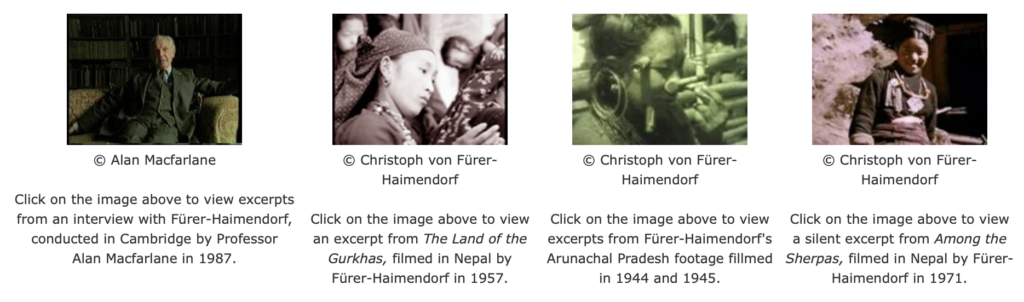
The Fürer-Haimendorf Collection stood out to me because it contains historical film excerpts documenting communities and cultures in the Himalayan region. The page includes images, dates, and descriptions that provide context for the recordings. These films offer something that a traditional written document cannot fully communicate visitors can observe people, environments, and cultural practices through moving images.
Film and Video: Visual Exploration
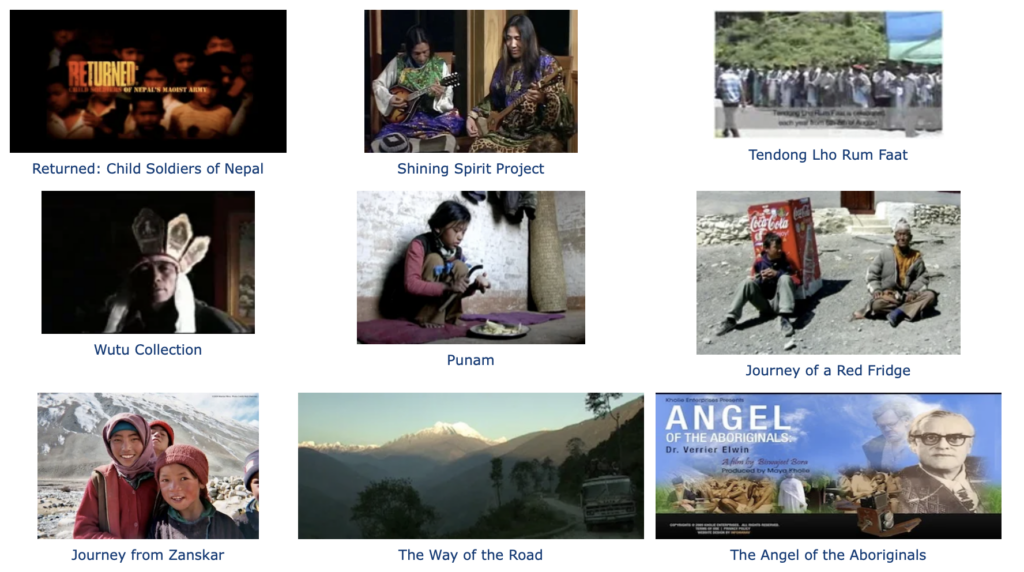
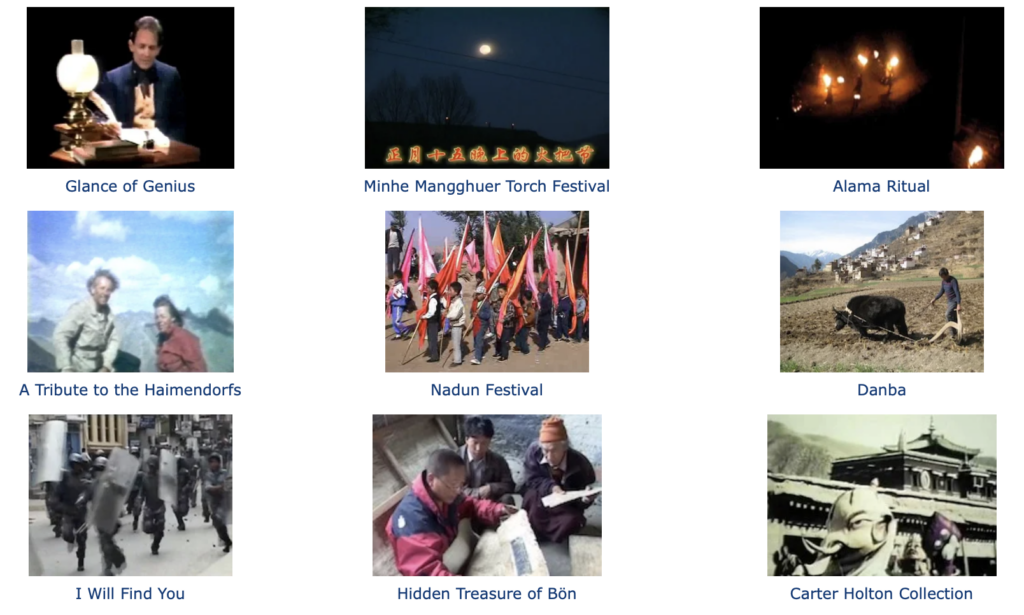
I also found the Film and Video section visually engaging because it displays thumbnails for different projects. These previews encourage visitors to explore topics that interest them.However, the thumbnails are not always consistent in size or alignment. Some descriptions are also quite brief, which makes it difficult to understand what a film is about before opening it. More consistent image dimensions and short summaries would improve the experience.
Maps: Understanding the Region
The Maps collection is another example of the value of digital media. It provides access to geographic resources, including Himalayan atlases and trekking maps. These resources help visitors understand the physical geography of the region alongside its cultural history.
Overall, the combination of media formats is one of Digital Himalaya’s strongest features because it allows people to experience historical information in multiple ways.
Interactive Features
Exploring the Nepal Census 2001
The Nepal Census 2001 tool was one of the most useful features I explored because it allows visitors to interact directly with historical data.
How the census tool works
Choose a location
Select a district and Village Development Committee.
Select a category
Choose literacy, economic activity, population, or another topic.
Download data
Select a file format and submit the request.
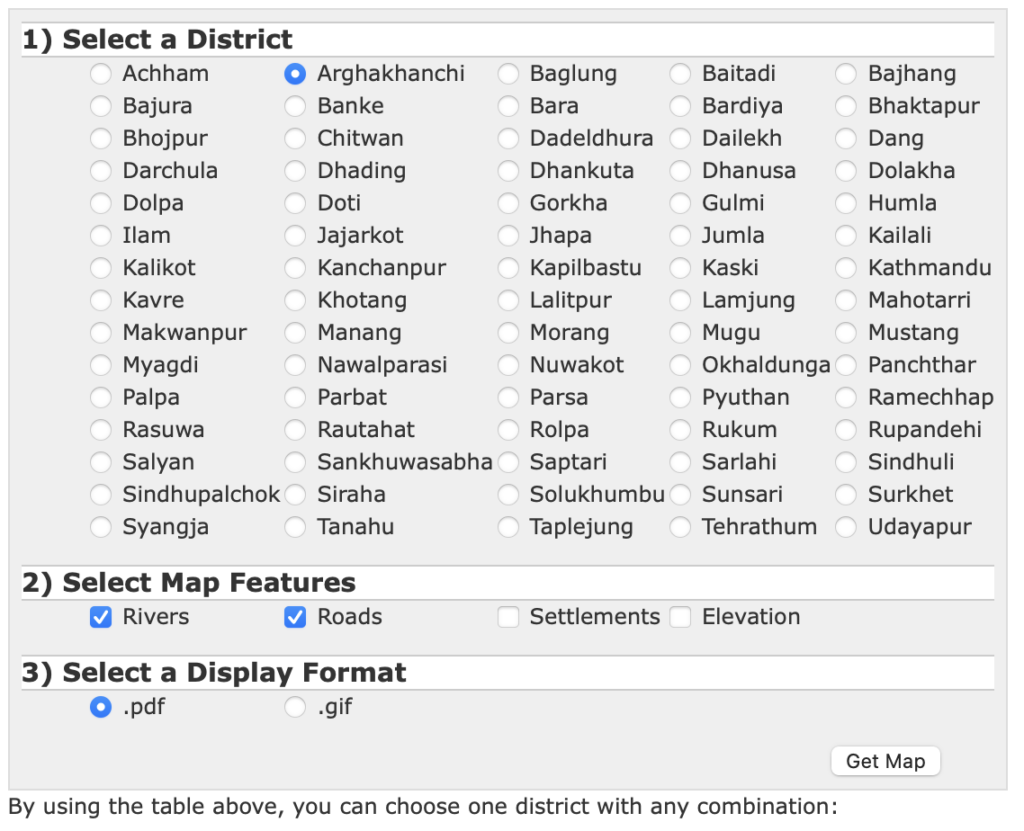
I tested the tool by downloading economic activity data for Baraigaun in Humla district. The file contained population information and figures for economically active and inactive residents. Being able to obtain actual historical data made the experience more meaningful because I could use the information for further analysis instead of simply reading about it.
This demonstrates the concept of medium specificity, or how a digital platform can provide experiences that are difficult to reproduce in traditional print media. A printed report can display census statistics, but an interactive website allows visitors to choose the specific information they need.
However, the interface could be more user-friendly. The page displays many district names at once, and the small text can feel overwhelming. The radio buttons and Submit button are also not very noticeable.
The downloaded file used tab-separated text with an .xls extension rather than a modern Excel workbook, which could confuse users expecting a standard spreadsheet.I would recommend adding a searchable district menu, larger selection controls, clearer download instructions, and modern spreadsheet options. These changes would improve usability while preserving the tool’s research value.
Accessibility: How Inclusive Is Digital Himalaya?
Accessibility is an important part of digital media design because websites should be usable by people with different abilities and needs.

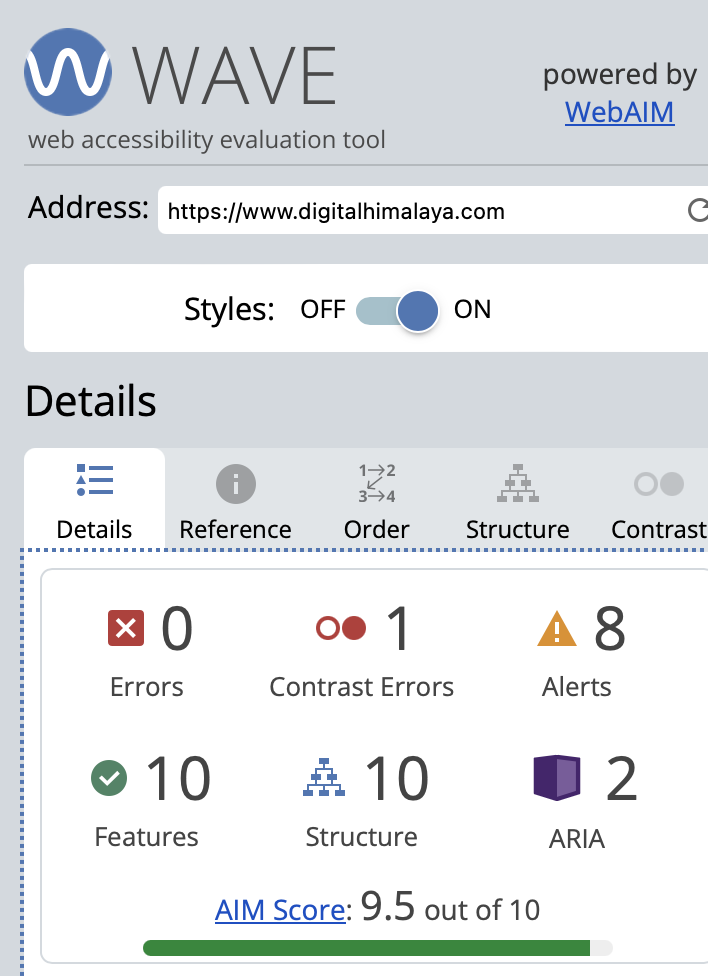
To evaluate Digital Himalaya, I used the WAVE Web Accessibility Evaluation Tool on its homepage. The website received an AIM score of 9.5 out of 10, with zero errors, one contrast error, and eight alerts. WAVE also identified ten accessibility features, ten structural elements, and two ARIA elements.
I was surprised by this result because the website’s visual design appears older than many modern websites. However, the evaluation shows that an older-looking website can still include helpful accessibility features.
At the same time, WAVE identified several areas for improvement. These included very low color contrast in one element, a missing first-level heading, missing page regions, and a form fieldset without a legend.
These issues are important because heading structures and page regions can help people using screen readers navigate content more efficiently. Similarly, adequate color contrast makes text easier to read for visitors with low vision.
The website could also benefit from larger text and more clearly labeled interactive elements. For its film collections, captions and transcripts would help make historical recordings accessible to a wider audience.
It is important to remember that WAVE’s automated results do not prove that the entire website is accessible. The eight alerts require further examination, and additional testing would be needed to evaluate keyboard navigation, alternative text quality, and multimedia accessibility.
Representation, Context, & Potential Limitations
Beyond design and usability, I think it is important to consider how Digital Himalaya presents cultural history. The archive includes materials collected by anthropologists and researchers, including historical footage from different Himalayan communities.

Three Questions to Consider
Community Voices
How were the communities involved in creating these records?
Perspective
Whose experiences and interpretations are represented?
Historical Context
Do visitors have enough background to understand the footage?
What Could Make the Archive Stronger?
Making information about consent, community involvement, and historical context more visible could strengthen the archive’s educational value. Short introductions to unfamiliar cultures, languages, and geographic locations would also help new visitors.
MY RECOMMENDATION
Pair historical recordings with community perspectives and accessible cultural background information, so visitors understand not only what was recorded but also the context behind it.
Overall Evaluation & Recommendations
Overall, I think Digital Himalaya is a valuable digital humanities project because it preserves important historical materials and makes them available to a wider audience.
Strongest Features
Rich Collections
Films, maps, photographs, and journals
Easy Navigation
Consistent menus and breadcrumbs
Interactive Data
Searchable historical census records
Cultural Preservation
Making history available beyond physical archives
However, there are several improvements I would recommend. First, the website could modernize its layout with larger text, clearer headings, and more consistent image sizes. Second, interactive tools could use more recognizable buttons and simpler selection menus. Third, accessibility improvements should address the issues identified by WAVE and include further testing of multimedia content. Finally, additional cultural and historical explanations could help visitors better understand the materials they are viewing.
These changes would not require changing the purpose of the archive. Instead, they would help the project communicate its valuable content more effectively.
Conclusion
Reviewing Digital Himalaya helped me understand how digital media can contribute to cultural preservation and historical education. The project demonstrates that digitization is not simply about uploading documents to a website. It is also about organizing information, making it accessible, and helping people engage with materials that they might never encounter otherwise.
Although Digital Himalaya has some limitations in its visual design and user experience, its collections provide meaningful opportunities for learning and research. With improvements to navigation, accessibility, and contextual information, the website could become even more useful for both academic researchers and general visitors.
Ultimately, Digital Himalaya shows how digital technology can connect the past with the present while making cultural history available to people around the world.